
Misanthrope by Molière
A 21st century take on the deepest of Molière’s plays against Fake news
Camden People’s Theatre / Drayton Arms
Directed by David Furlong
OFFIE nominated for BEST PRODUCTION and BEST VIDEO DESIGN
"Original and entertaining." ★★★★ RemoteGoat
“A clever, lively reimagining that brings out all the comedy and continuing relevance of Molière’s text.” ★★★ Everything Theatre
“Rock and roll Molière … masterful comedic style, clever and very funny.” ★★★★ The Upcoming
“A MUST SEE! … Most enjoyable production of the year.” ★★★★★ Londontheatre 1
“Original and entertaining. … This rather wonderful production encapsulates Moliere's brilliance." ★★★★ LPTheatres
“Creatively revisited by the Exchange Theatre. … The rhyming structure added a liveliness to the delivery of the lines.” ★★★ Theatre Bubble
“All the cast here are admirably bilingual and thus have the necessary skills, as well the undoubted talent, to pull of this linguistic feat.” ★★★ Actdrop
search for genuineness against hypocrisy
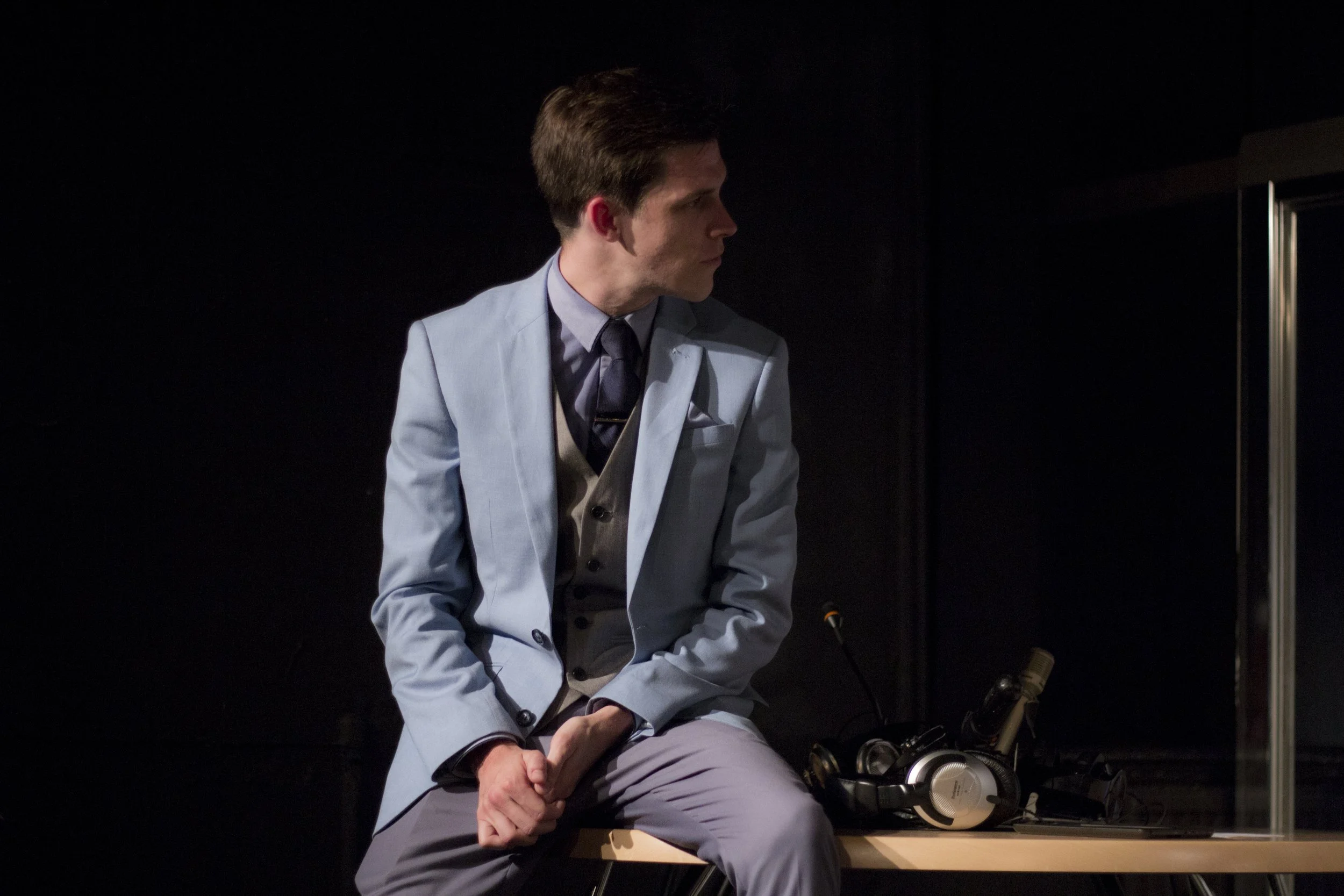
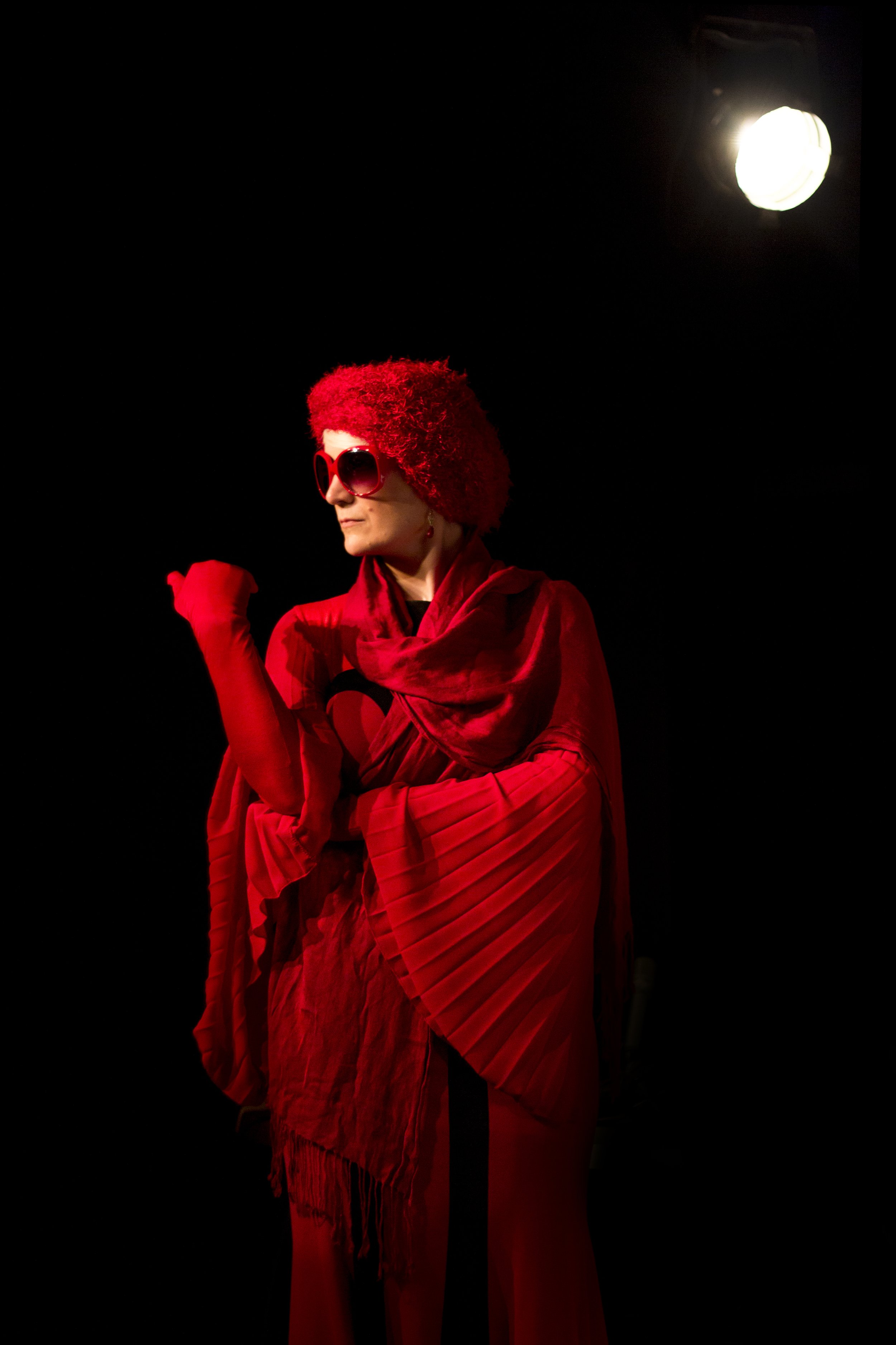
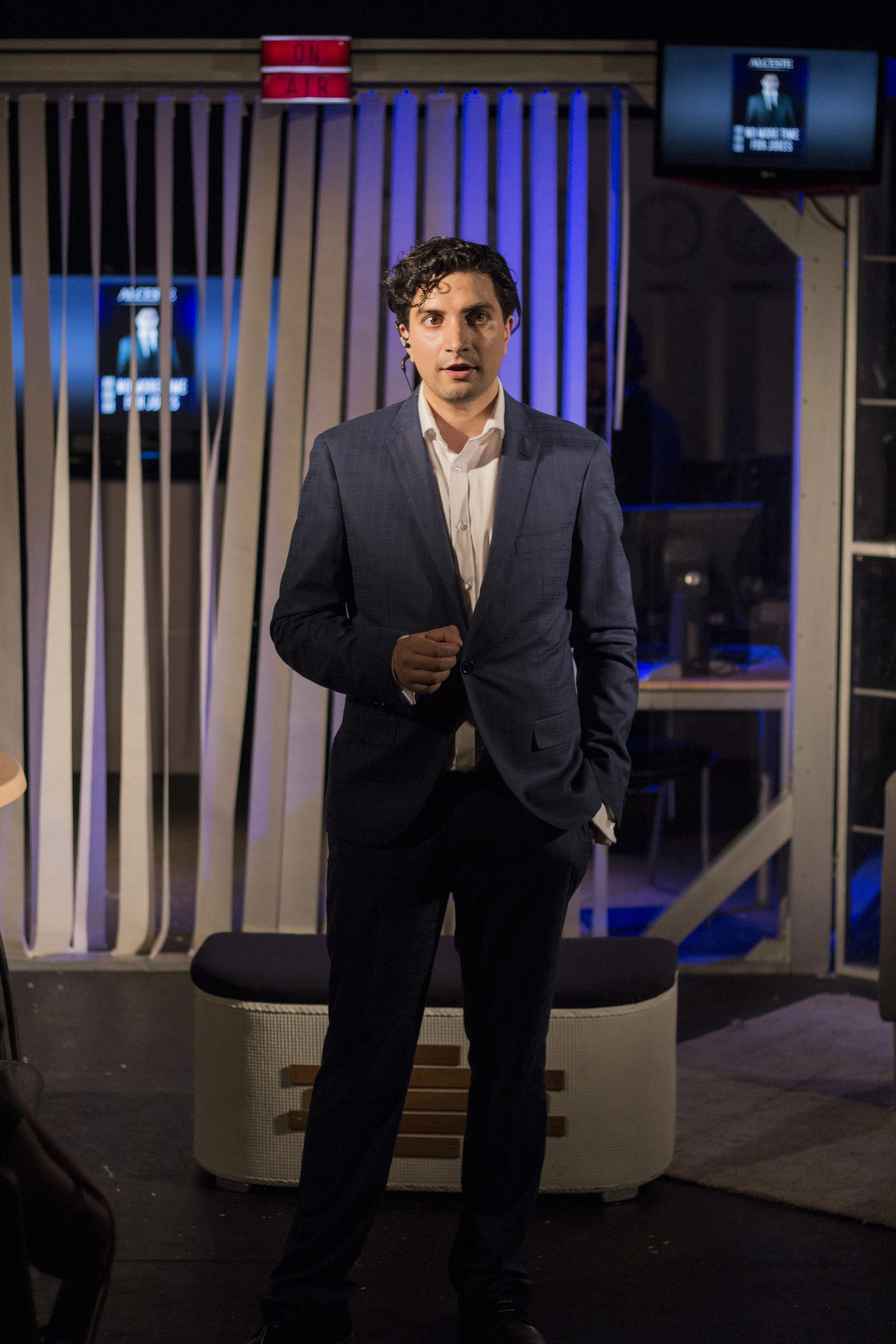
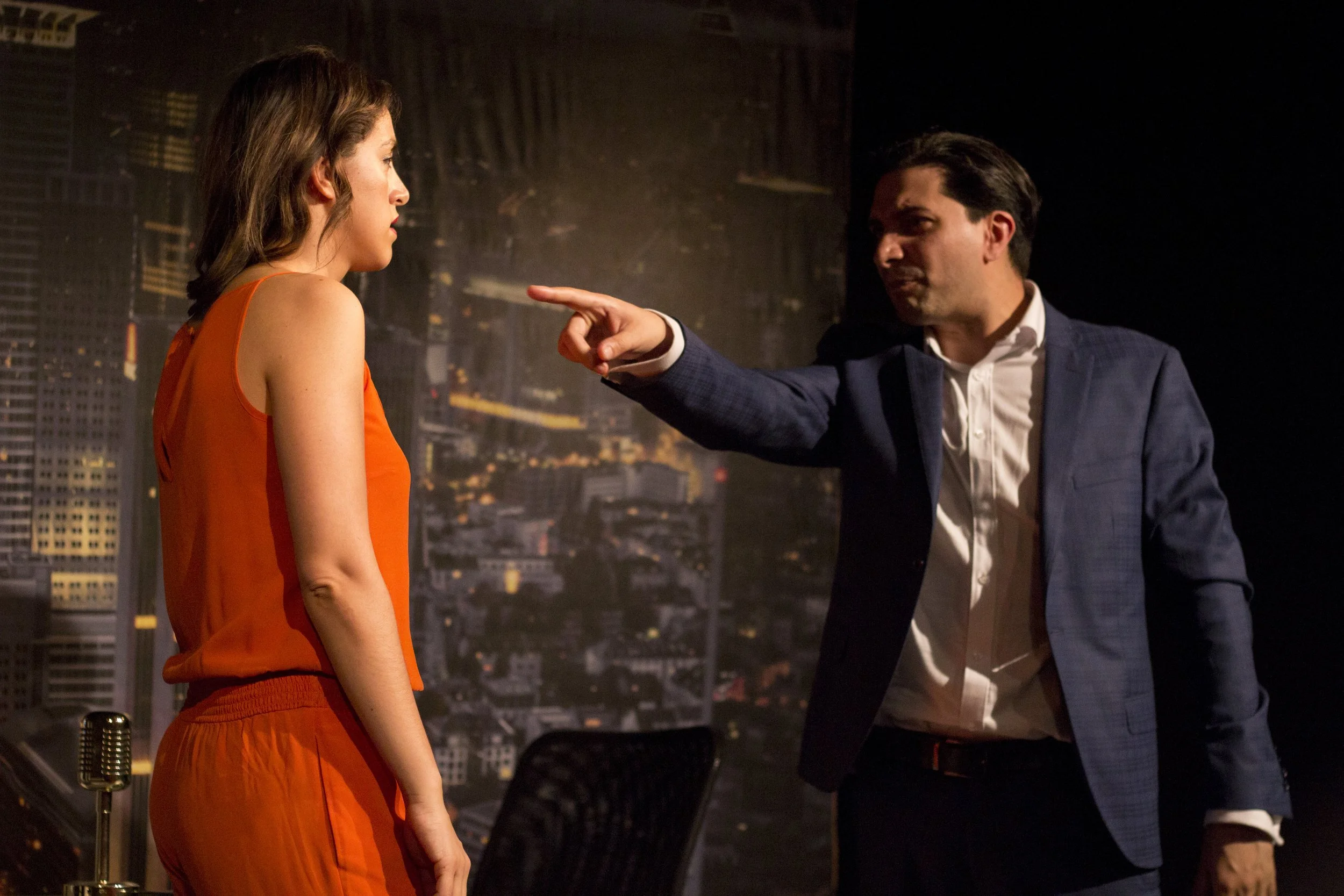
Alceste is an honourable and outspoken man, in love with Célimene, a bright but slightly vain socialite. Tormented by a trial, he confides in his friend Philinte about his love and how he despises society’s complacency. His complicated love life is then challenged even more when he abruptly witnesses the gossip and small talks going on between Célimene and her court.
Director’s Note
“Gossip holds civilizations together. … This should be good news for theatre. It means that drama may combine chatter and high rhetoric in a way that makes the profoundest human experience and deepest meanings understandable within the audience’s creative intelligence. That is what theatre is for. … But our gossip is debased. It no longer springs from the people’s inventiveness. It is filtered down to us by television and the big screens, distorted by the media mobs, relentless advertising and compulsive consumerism.” Edward Bond
In a time of ‘alternative facts’ and ‘fake news’, Misanthrope finds unanticipated echoes in the world today. Alceste, the most loyal man in the world, lacks only one virtue: indulgence for other’s behaviours. His search for genuineness against hypocrisy, special interests and treachery calls for a new London production in 2018.
After the public and critical success of The Doctor in Spite of Himself, it’s a logical step for Exchange Theatre to pursue our work on Molière for the 21st century by choosing The Misanthrope. Whilst the previous play was a farce and an invitation to love and laugh, the next one is a deeper truth seeking comedy, written surprisingly at the same time. When The Doctor treated falseness in a satirical way, The Misanthrope confronts the same themes head-on. And when Sganarelle, the doctor was a buffoon, Alceste, the misanthrope is a deep thinker through whom Molière addresses the same issues, reacting to the false critics and the moral injustice.
Creative Team
Directed by David Furlong
Translated by David Furlong
Set Design by Annick Bosson
Lighting Design by David Manson
Supported by the Royal Borough of Kensington and Chelsea and The Unity Trust
With Samuel Arnold, James Buttling, Fanny Dulin, Léo Elso, David Furlong, Simeon Oakes, and Anoushka Rava
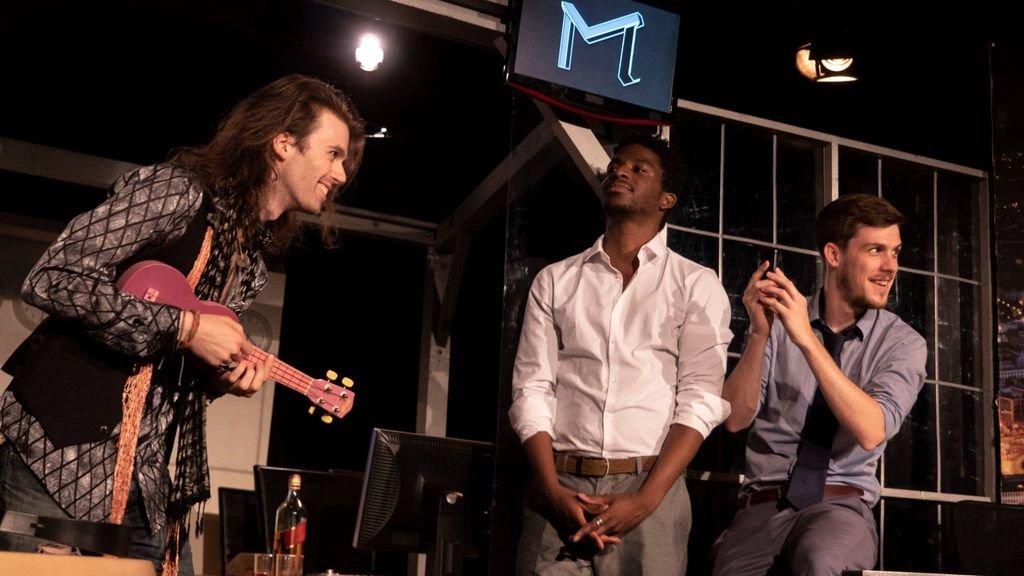
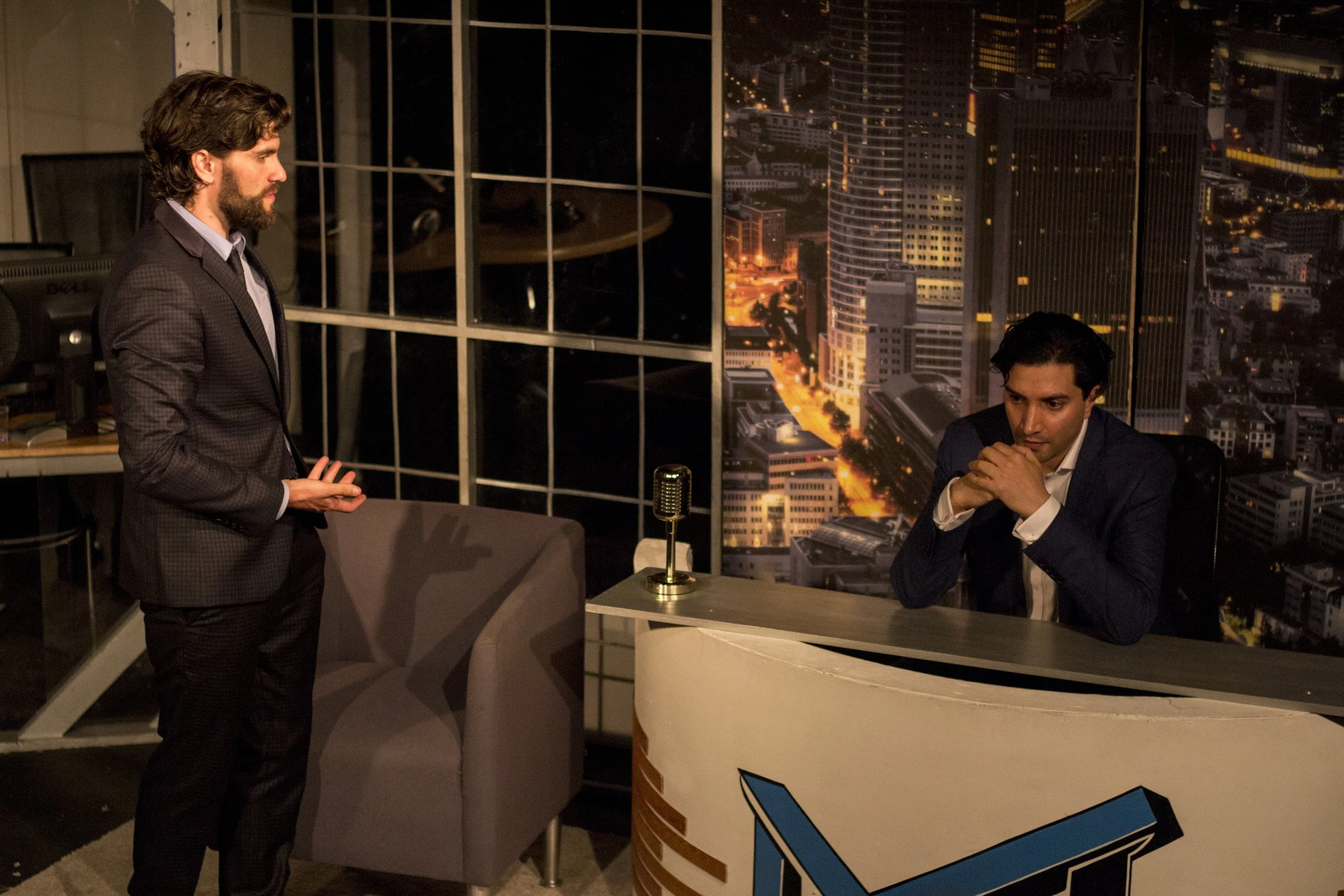
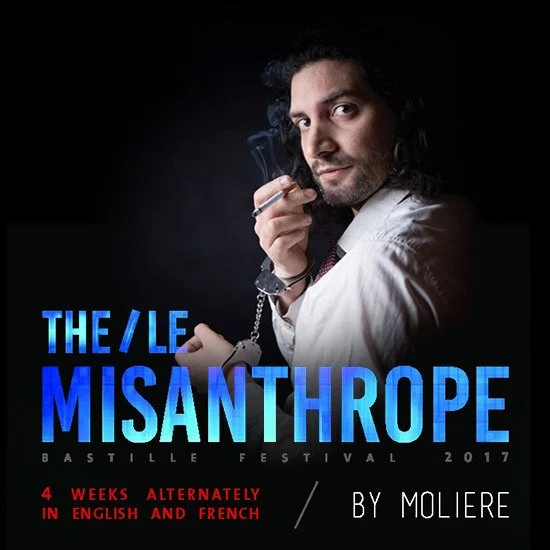
Misanthrope Programme Interview
Tell me about the piece and your vision for it.
The Misanthrope might be the most famous and reverred Moliere play in the world. It was written in parallel to The Doctor in Spite of Himself which we produced last year to a public and critical success of The Doctor in Spite of Himself, it’s a logical step for Exchange Theatre to pursue our work on Moliere for the 21st century by choosing the Misanthrope. Last year’s play (nominated for a Best directing award) was a farce and an invitation to love and laugh, the next one is a deeper truth seeking comedy, written surprisingly at the same time as a response to the censorship that Moliere went through on previous plays. When The Doctor treated falseness in a satirical way, The Misanthrope confronts the same themes head on.
Jun 13, 2018-
And whilst Sganarelle, the doctor was a buffoon, Alceste, the misanthrope is a deep thinker through whom Moliere adresses the same issues, reacting to the false critics and the moral injustice.
Alceste is an honourable and outspoken man, in love with Célimene, a bright but slightly vain socialite. Tormented by a trial, he confides to his friend Philinte about his love and how he despises society’s complacency. His complicated love-life is then challenged even more when he abruptly witnesses the gossips and small talks going on between Célimene and her court.
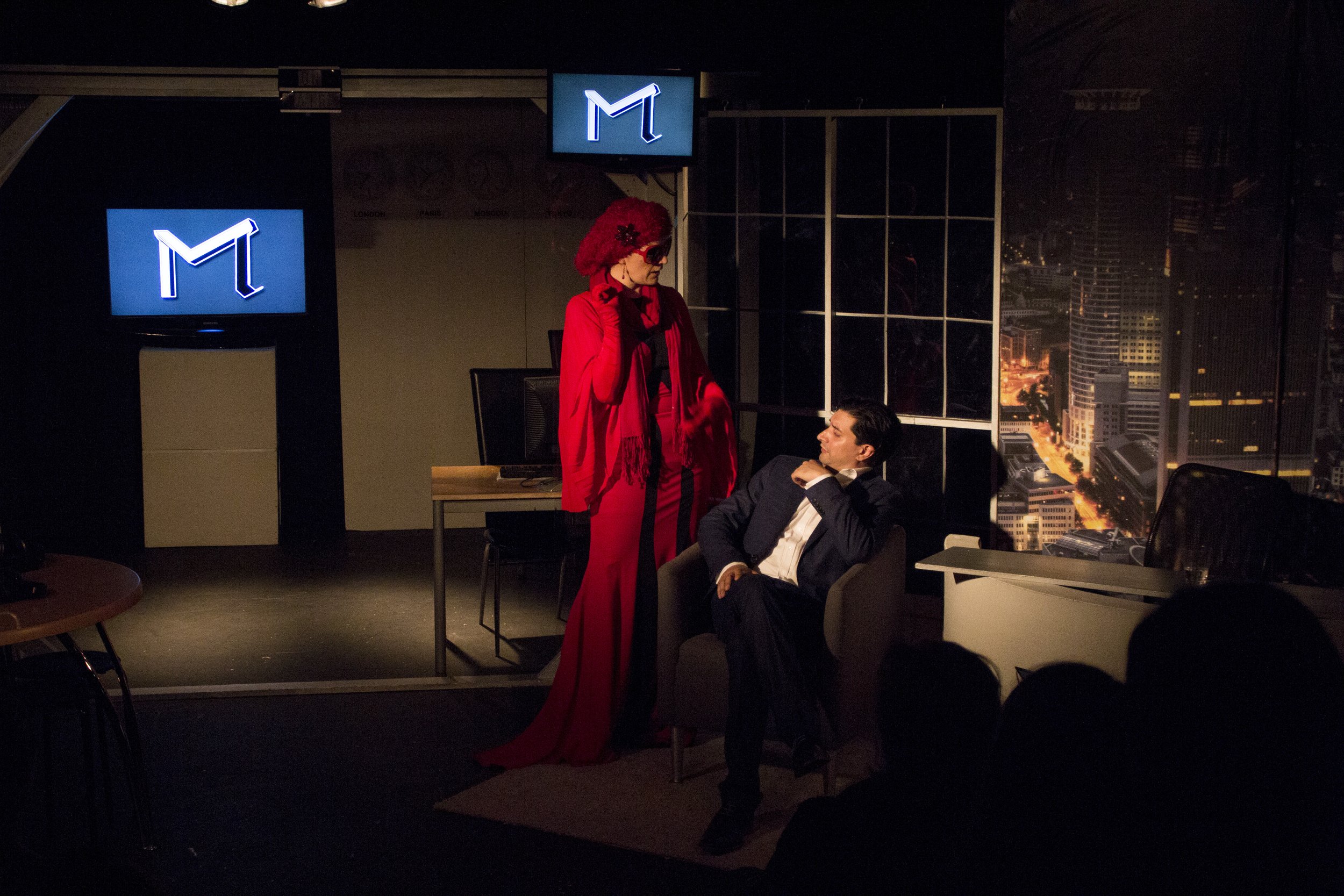
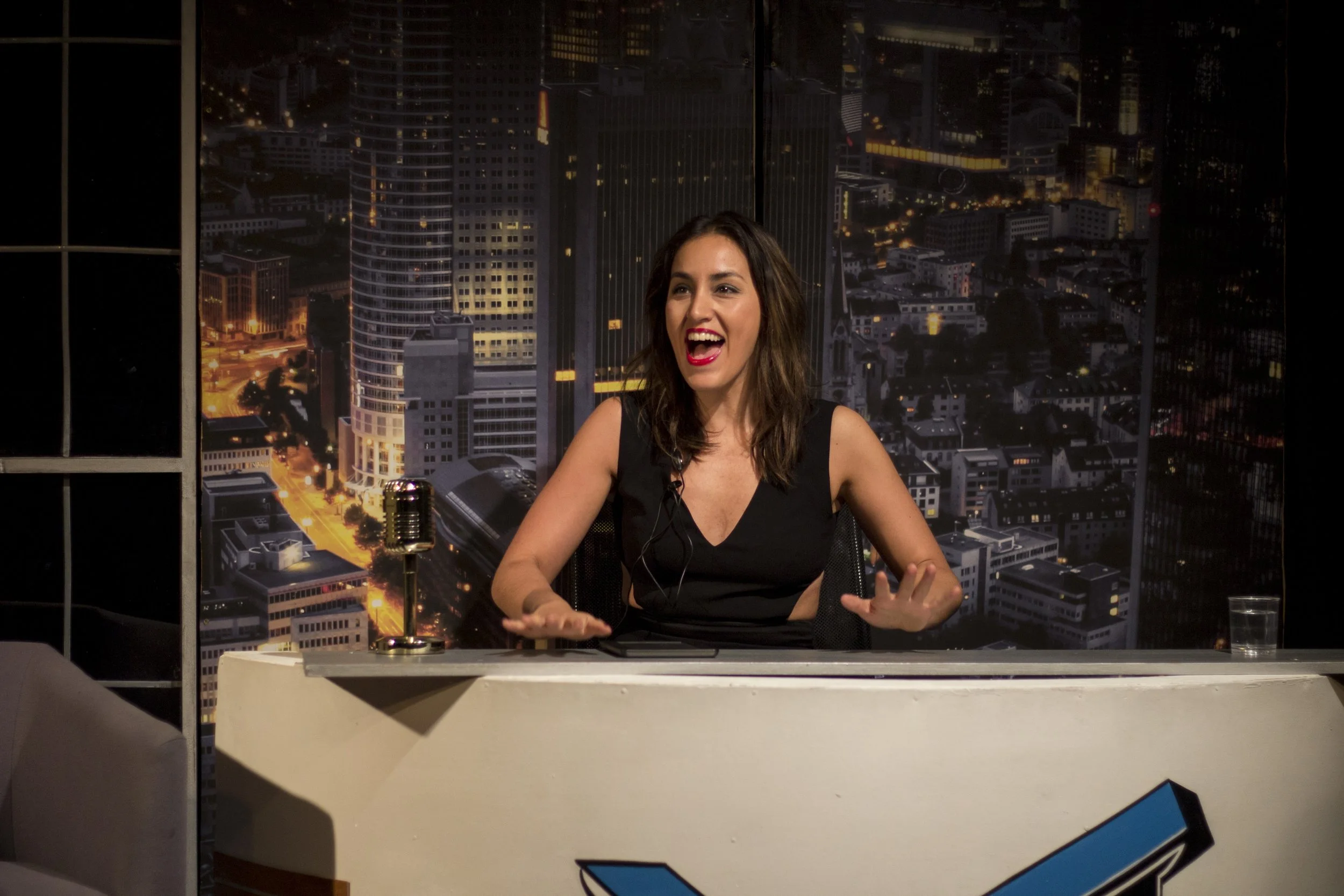
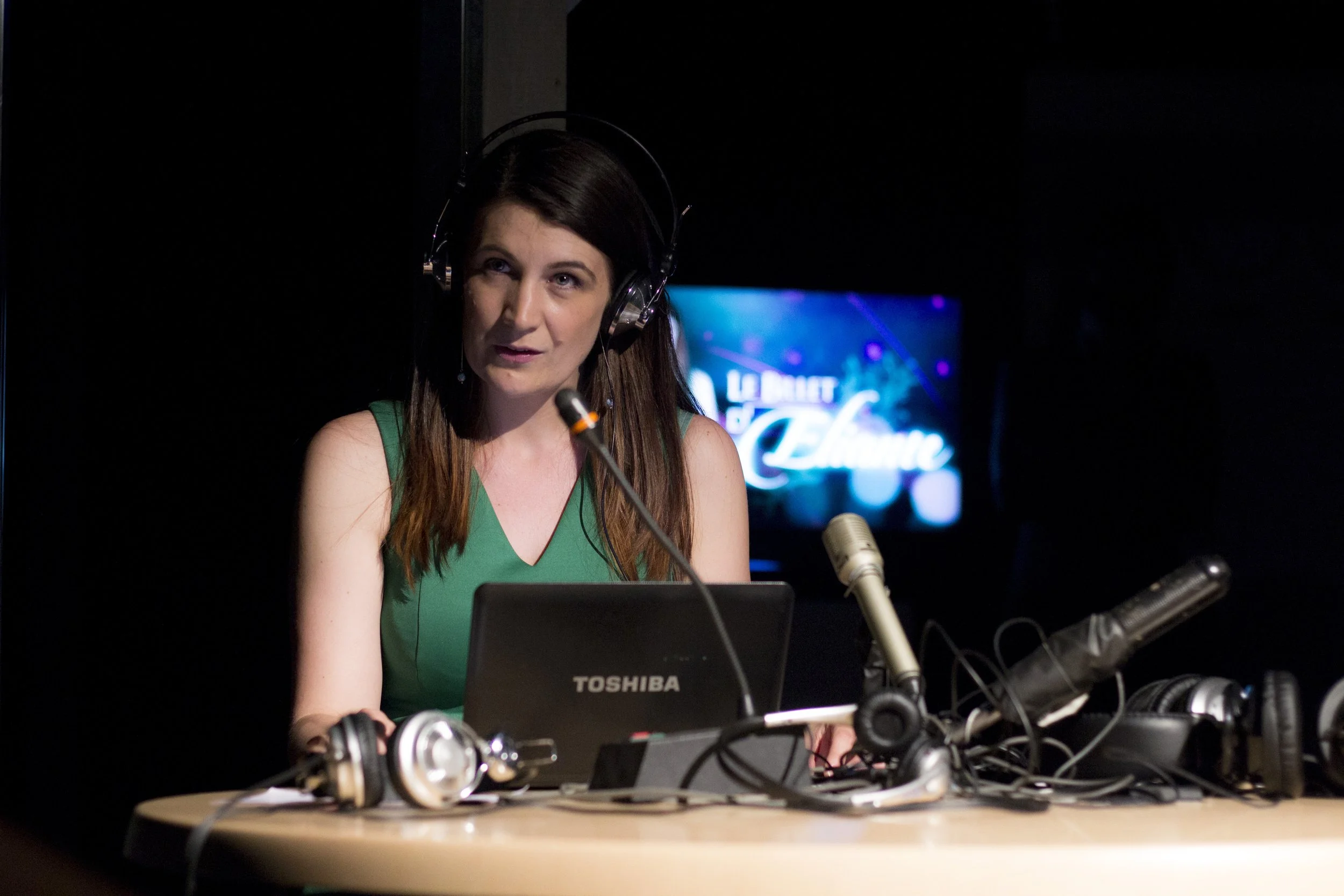
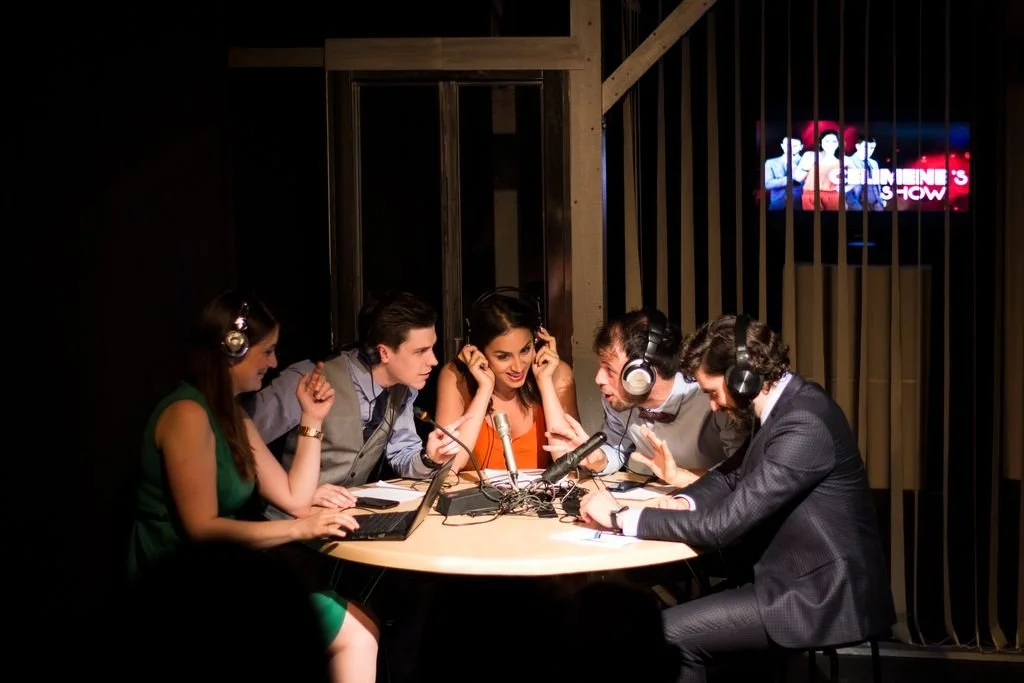
In a world of permanent fast breaking news and emptiness, Alceste remains the most loyal man, but he lacks only one virtue: indulgence for other’s behaviours. His search for genuineness against hypocrisy, interests and treachery is tormenting him and as if it could not get worse, he is in love with CÉLIMÈNE, a free spirit who entertains the surrounding vacuity, and makes it her business. For our time of ‘alternative facts’, the play finds unanticipated echo in the world today, transforming the 17th century society salon into a contemporary newsroom. It’s Moliere vs Fake news !Did you have initial ideas about casting and what you wanted actors to bring to the piece?
The fact that we are producing a double parallel production of the same play both in English and French makes us reach for very singular profiles of actors: we only cast bilingual people who have a commanding use of both languages, so they’re also really interesting people who generally have parents of two different origines, who grew up being multi-lingual, in a place which isn’t their parent’s culture, mostly. They fit a recently-named group of people called third-culture people and they bring a great variety of identity to the piece. It’s refreshing to finally see an Iranian Célimene, or a Mauritian Alceste rather than a usual white cast. It also simply reflects better the time we live in !
Also, as a former actor, I also put the performer’s imagination and input at the centre of my work as a director. So in auditions, I’m looking for people eager to explore and have fun. I am not interested only in an ‘auteur'istic approach to directing a piece. I stimulate my actors to be a strength of proposition, to get them to own the piece and their characters. I inherit this from years of acting as a street theatre performer in France where you have to really create bigger-than-life characters with no room for subtle psychology. So when I went back to indoor theatre, I mixed the two layers in how I direct my actors. This leads to great surprises in rehearsals and to original devised scenes, included in the play unknown to Molière himself and humbly completing his heritage.
What do you hope the audience will take away from the production?
The vocation of the company is to translate major French-speaking plays that are too rare. The language of the play, of course, but also its spirit. For Le Misanthrope, there are actually more productions but they’re always adaptations rather than Moilere’s play: Ranjit Bolt wrote his own take on it, Martin Crimp’s version was in the West-End with Keira Knightley a few years ago and so on… Playwrights are so important in the Uk that their credit as a translator is crucial to the commercial success of a show. It certainly can be a great way of having David Harrower’s version of a Strindberg play or Tony Kushner’s new translation of Brecht. But however good those productions and playwrights are, they are not Strindberg or Brecht or Moliere’s. They have their adaptor’s style so the plays are not real translations, and they just make the plays more British.
So for us, It’s about producing these revivals with real translations, just like what Cheek by Jowl does with Shakespeare. And it’s not important whether to anglicise the play or not. It’s more about the universality of Moliere’s ideas. We do use a contemporary imagery suited to a 2017 audience, in order to bring out all its modernity.
Have rehearsals altered your initial thoughts, at all?
Ahead of rehearsals, Research and Developments on the piece have actually confirmed some intuitions beyond what I thought I could do. I knew our version would somehow echo the current trend to make everything public through social networks. And as I don’t really believe in my ideas until they’ve been tried, I doubted some of them as if they were just gimmicks. But the tangibility of Moliere’s situation is astonishing, he speaks about such concrete and universal problems that the very modern and connected situations I tried to apply really lifted the actuality of the play. It even took us to the point of finding some more cutting-edge situation than what I initially imagined ! I came to a scene with what I though was a very modern take on it and the scene became very dull and boring, we were unwillingly toning down the 'trashiness’ of it. But by looking at it closely, one of the charcater’s lines reminded me of a very shocking 'snapchat’ video I had seen and I thought ’ My god, this should actually be much more trivial than what I thought’ Moliere is totally ahead of us. You can’t just look at transferring his scenes to modern settings. You have to transfer his exceptionnal events to schocking situations of our world. Today, people do go crazy over their webcams and facebook live just like what he imagined for some his characters, they just did not do it to thousand of viewers. So, the production took naturally the direction of a world of medias, advertising and videos, just by following Moliere’s humour and criticism of his times. We just transferred it to the world we live in now and it went further than what I had imagined.
What would you say to encourage people to buy a ticket?
If you are a theatregoer and if you like to be taken on a highly theatrical evening, and rediscover a major classic for the 21st century, Misanthrope is made for you. It’s walking in the footsteps of rare theatre-makers from Europe like Van Hove or Ostermeier and other companies you’d see at the Barbican. And at the same time, if you enjoy the intimacy of a studio theatre, we’ve been working on the Fringe for a decade and we know the sensorial experience of doing theatre for small spaces. We’ve even had a structure built for out set, especially because we investigated how to transform studio theatres and make theatre immersive and very actual. Exchange Theatre also offers a unique work, multilingual, and you can experience both languages if you like Moliere so much, and you want to see it one night and practice your French another night. Last but not leats, the venue, The Drayton Arms theatre is incredibly warm and welcoming, serving great food as part of a theatre-deal, and it’s a guarantee of a great evening.
Finally, any advice for budding directors?
I would advise towards a good permanent ongoing training through all the multiple opportunities available (Young Vic directors program, Living Pictures, Stonecrabs, Tamasha and many more) and a general openness to discover new territories all the time. I’d also tell directors not to consider themselves as 'auteur’ with great ideas because it makes you precious about your ideas. Through training, devising, experimenting, researching and developing my work with others, my work finally reached a shape of its own, not my vision of it. Most importantly, I’ve learned that whichever good intuition and 'talent’ matter only for the public, for the end-result, but are really not enough. You’re probably talented but no-one really cares about it amongst your collaborators. What matters here is your structure, how you can collaborate, your intelligence in dealing with all the talents that are contributing to your work as a director.