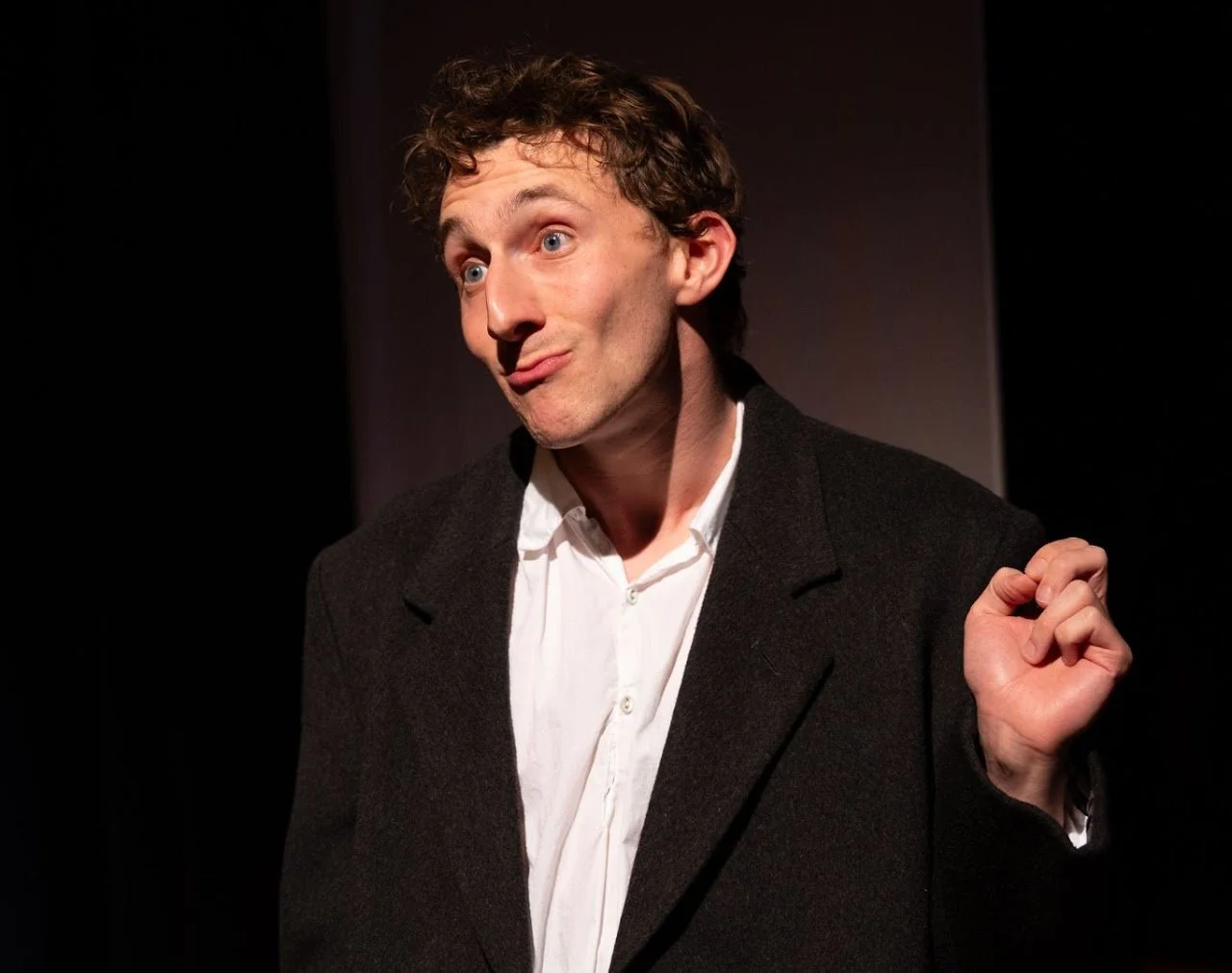
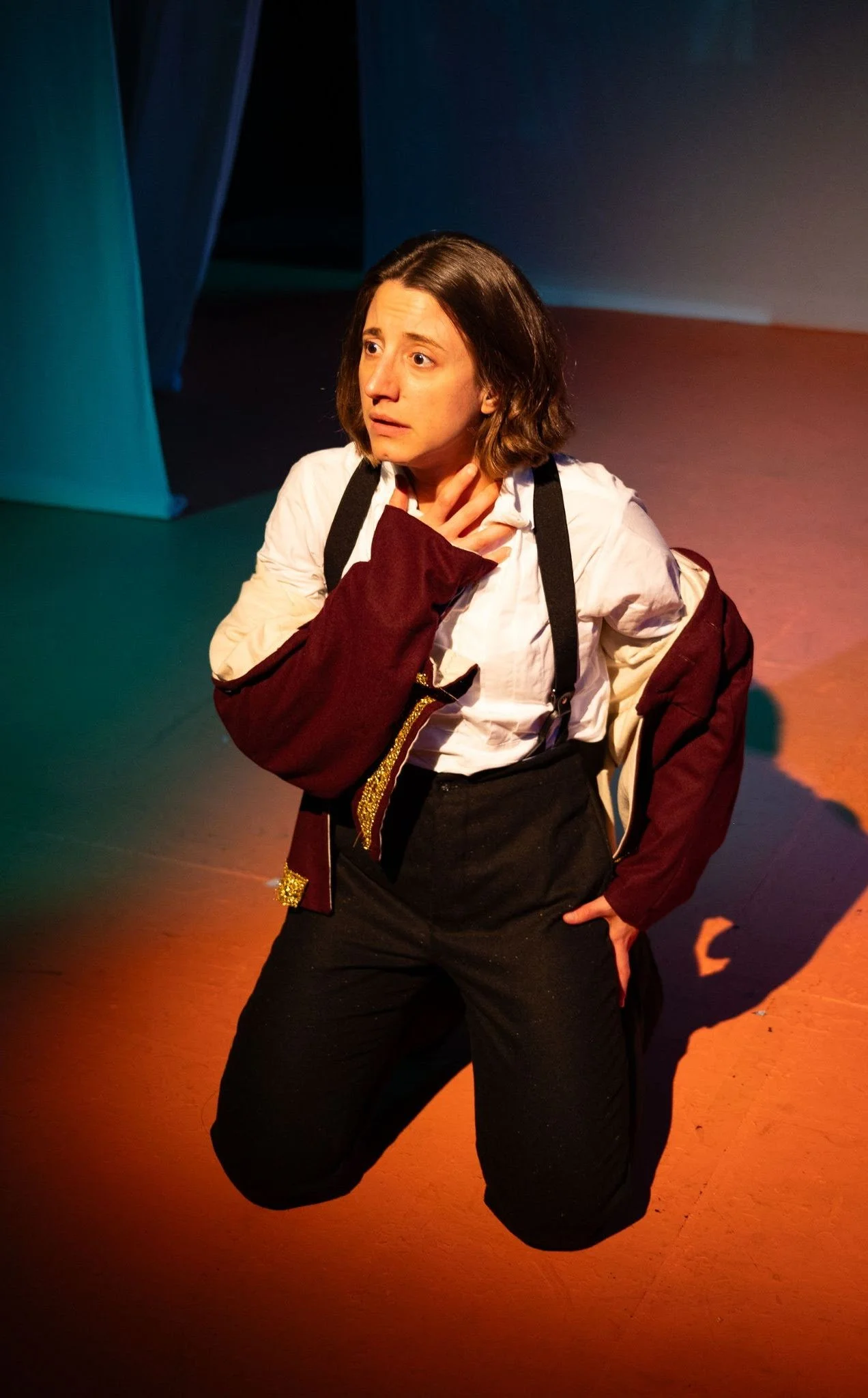
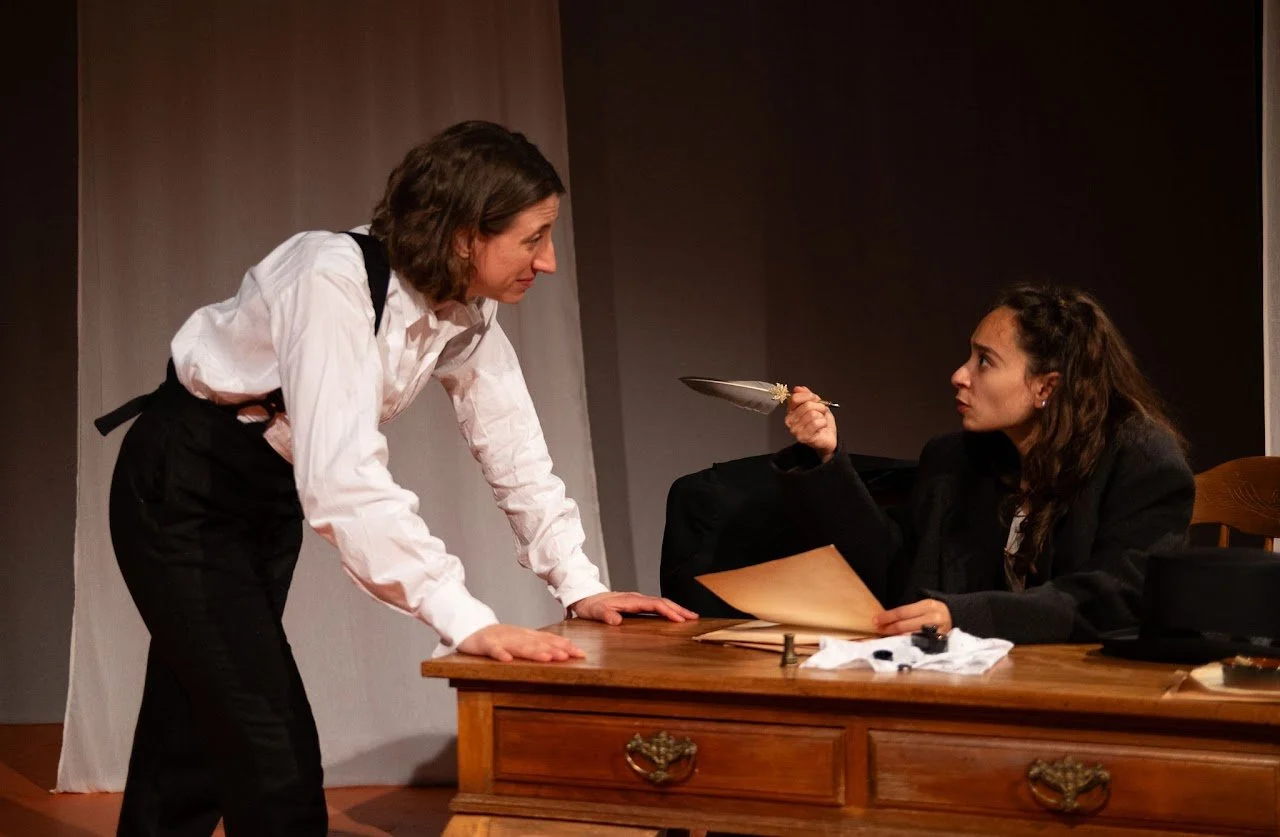
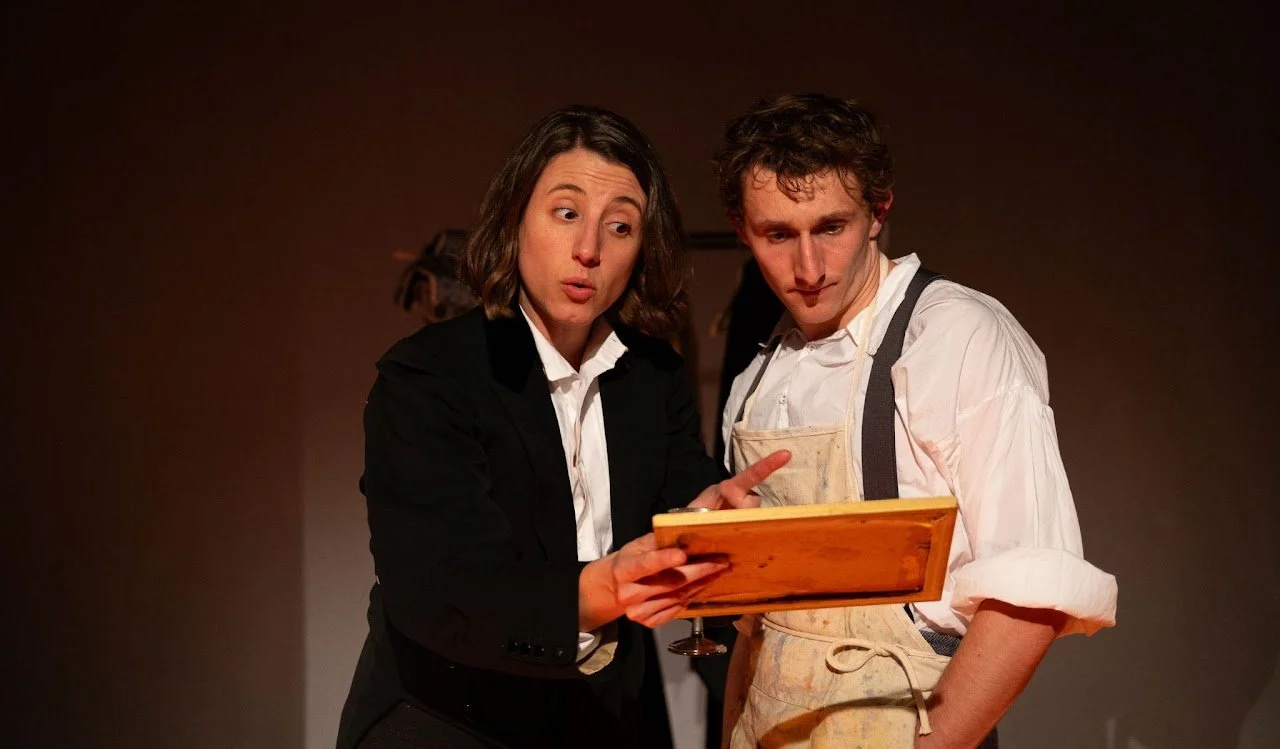
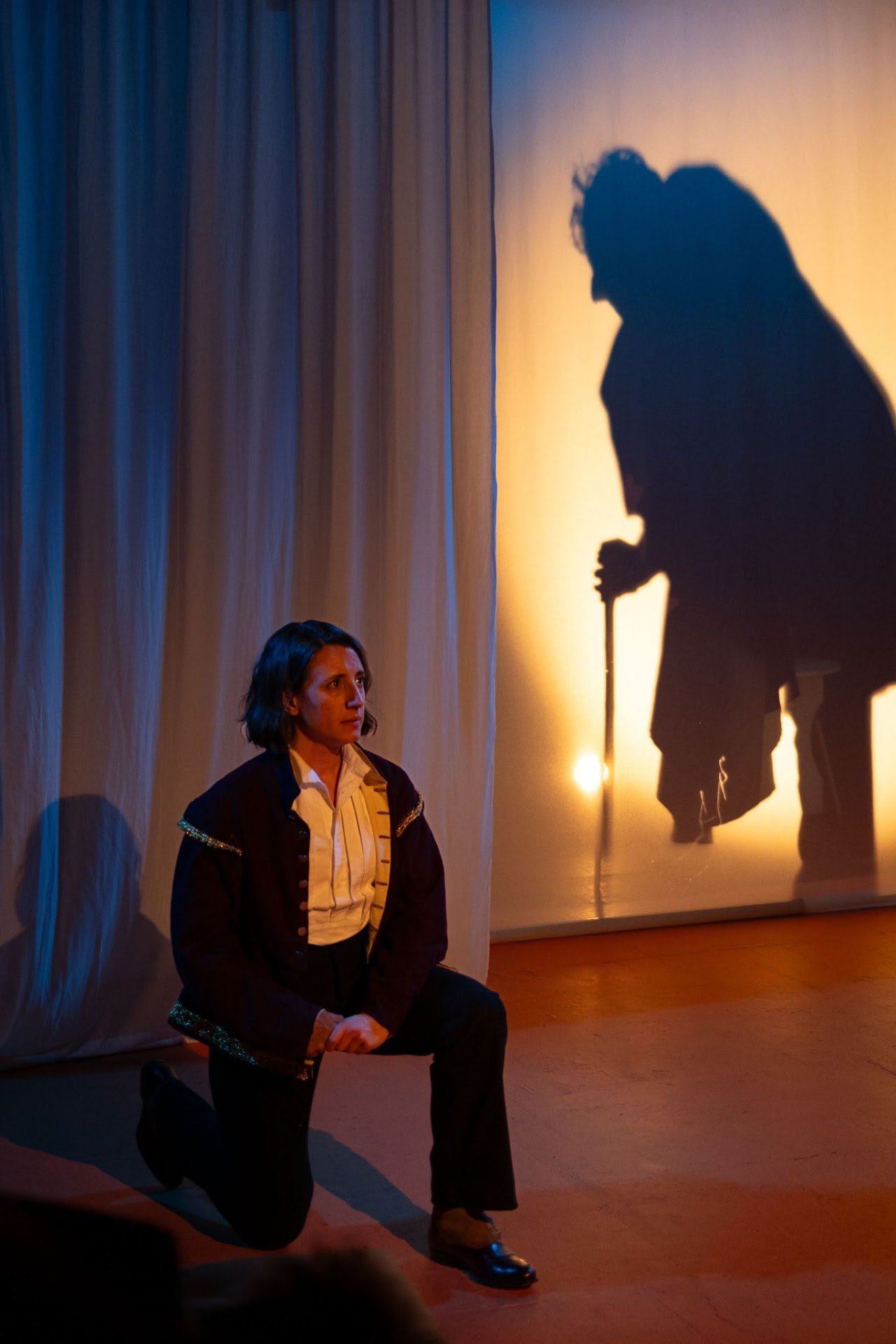
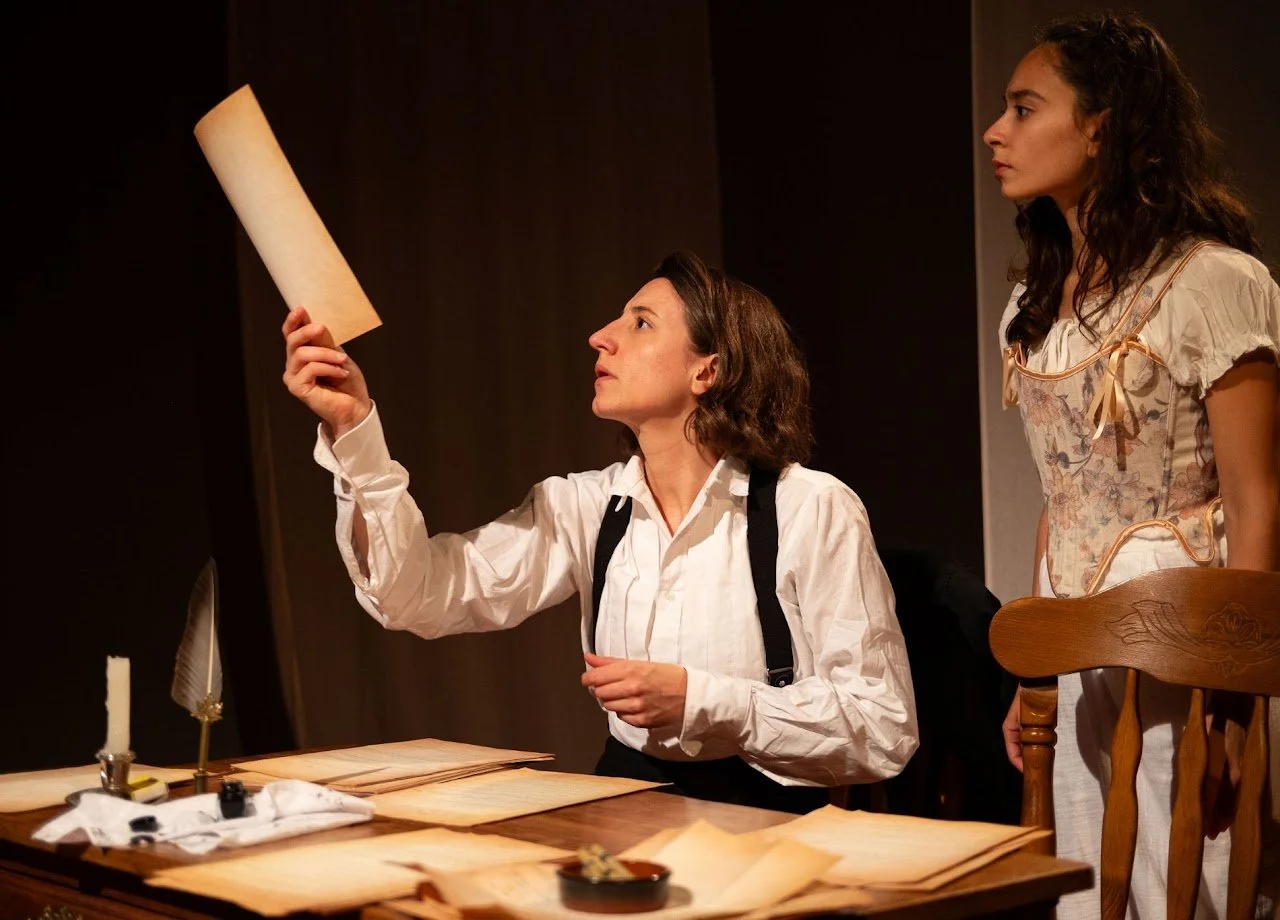
George by Léa des Garets
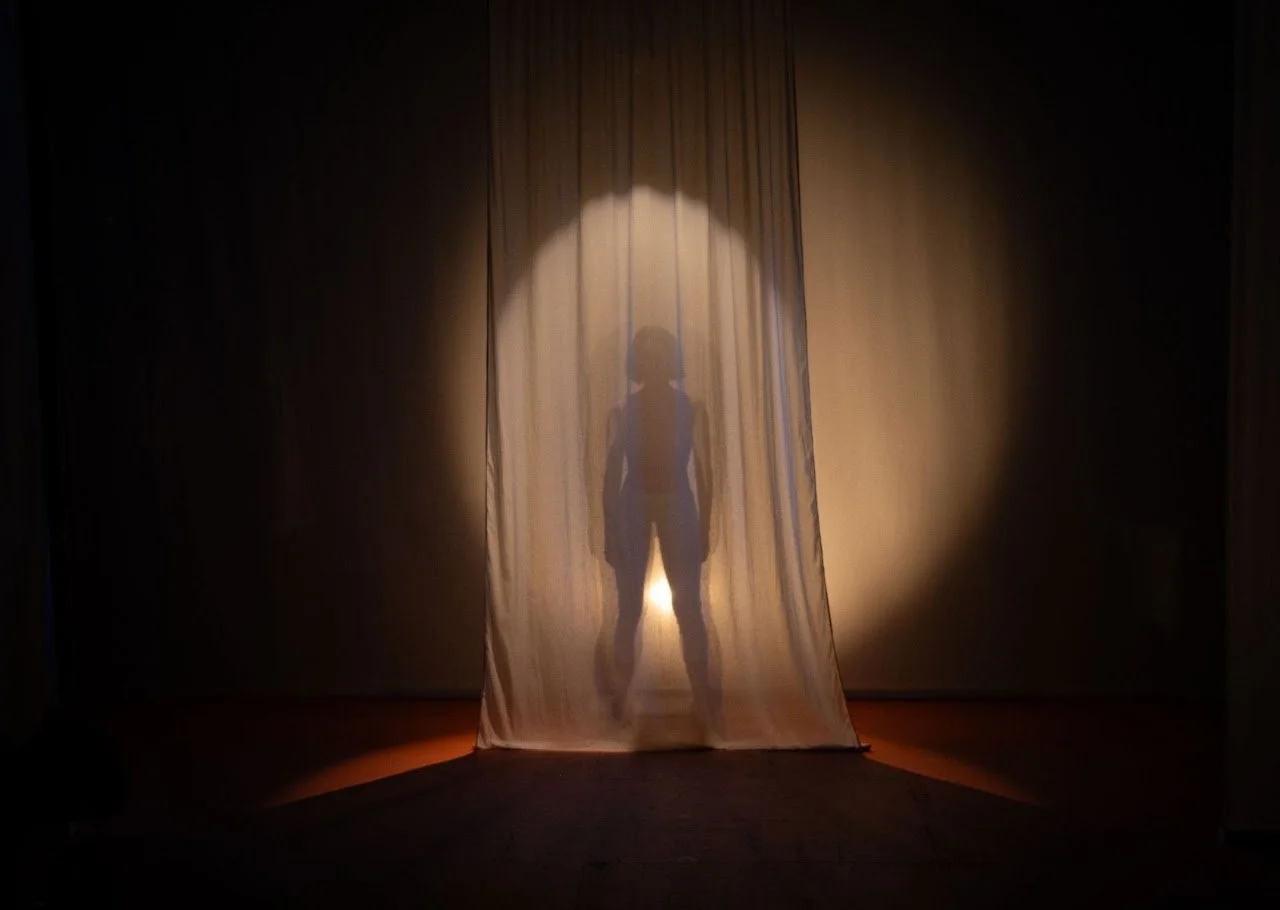
A bold new play reclaiming the forgotten queer history of George Sand
MQT Productions
Directed by Rute Costa
“Witty, heartfelt and relevant.” ★★★★ ½ Salterton Arts Review
“A powerful piece of theatre.” There Ought To Be Clowns
“A must-see on every front.” ★★★★★ A Young(ish) Perspective
“An enchanting blend of entertainment & education. Impeccable production value.” ★★★★ North West End
“Cleverly makes a point about the freedom and prejudices that surround gender identity.” ★★★★ RevStan
“The script skilfully weaves together Sand’s life and the narrative of ‘Gabriel.’” ★★★★ Adventures in Theatreland
“Reinvents a vibrant 19th century woman who defied convention.” ★★★★ Lou Reviews
What are we ready to sacrifice to be seen?
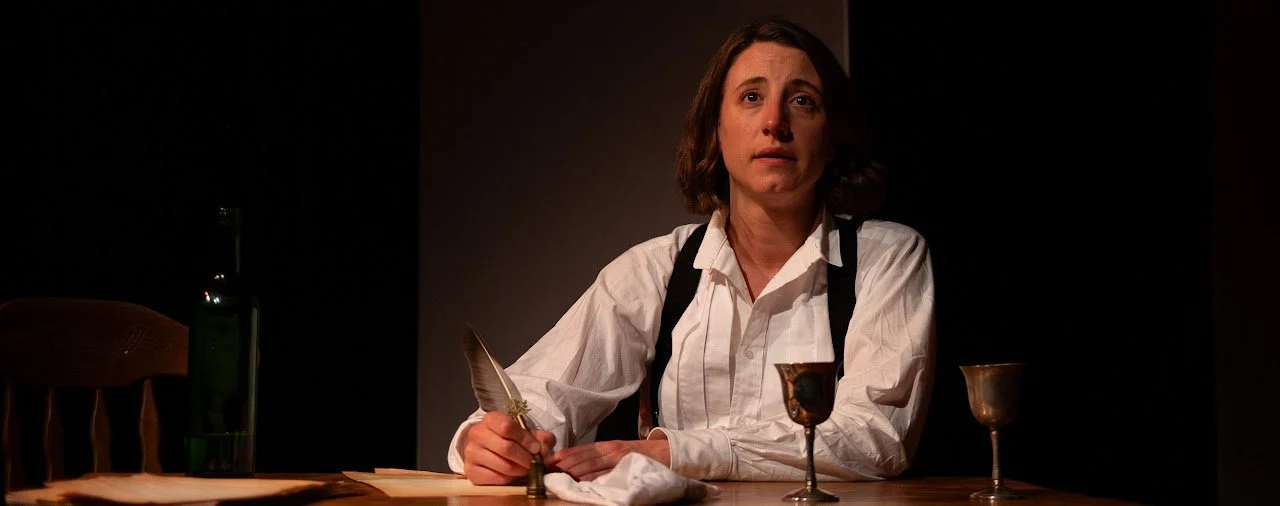
Marseille, France. 1839.
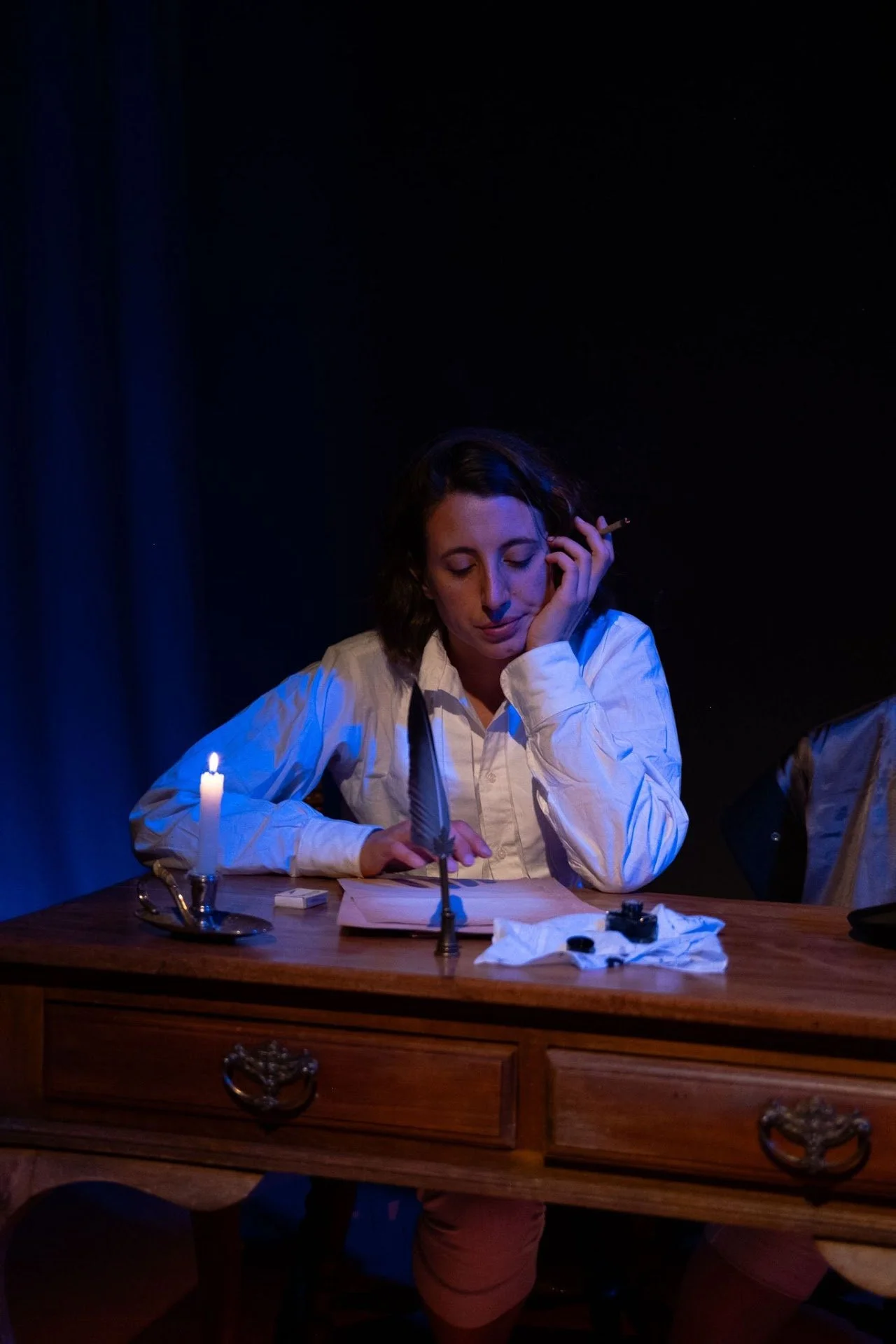
When famous disobedient writer George Sand finds herself at a creative standstill, with an empty wallet, her desperate need for an idea leads her quill to the most intimate and dangerous place she has ever explored: herself.
Embarking on her most daring work yet with her play "Gabriel", she is caught in a perfect storm between her lovers, her queerness and others’ expectations.
How far will she have to bend to make her story heard?
Léa des Garets (she/they)
Léa des Garets is an actor, writer, theatre-maker, and translator from Bordeaux, France. After an English degree at the ENS and two years lecturing French at Cambridge University, Léa started a career in the performing arts with Night Train Theatre Company, starting at the Edinburgh Fringe and touring in the UK and in Ukraine. In 2022, she was one of the 10 mentees selected for Projekt Europa’s Empower mentorship programme, which supports and champions migrant theatre talent in the UK.
Her work aims to give more visibility to hidden voices from the past and the present, focussing particularly on international voices, female-led narratives and the LGBTQIA+ community. Now based in London, Léa works across stage, screen and voice studios between France and the UK.
"We reinvented George Sand. I rediscovered her a couple of years ago: I knew about that woman who wore men's clothes and had lovers of all genders and seemed to live freely... and yet I hadn't heard or read nearly as much about her as I did about her male contemporaries! I spent months reading about her, diving into her novels, her autobiography, her correspondance, her plays... I found a soul sister, two centuries apart! Along the way, I found Gabriel, which compiled everything that fascinated me about George Sand: her ground-breaking interrogations on gender, on women's education, on inequality, on sexuality... and I was fascinated by her relationship with Marie Dorval. "The inseparables", people called them. In the correspondence we have today, there are a few years missing. And there isn't much around her time in Marseille and her writing Gabriel... So I thought: what if we could reimagine what happened then?"
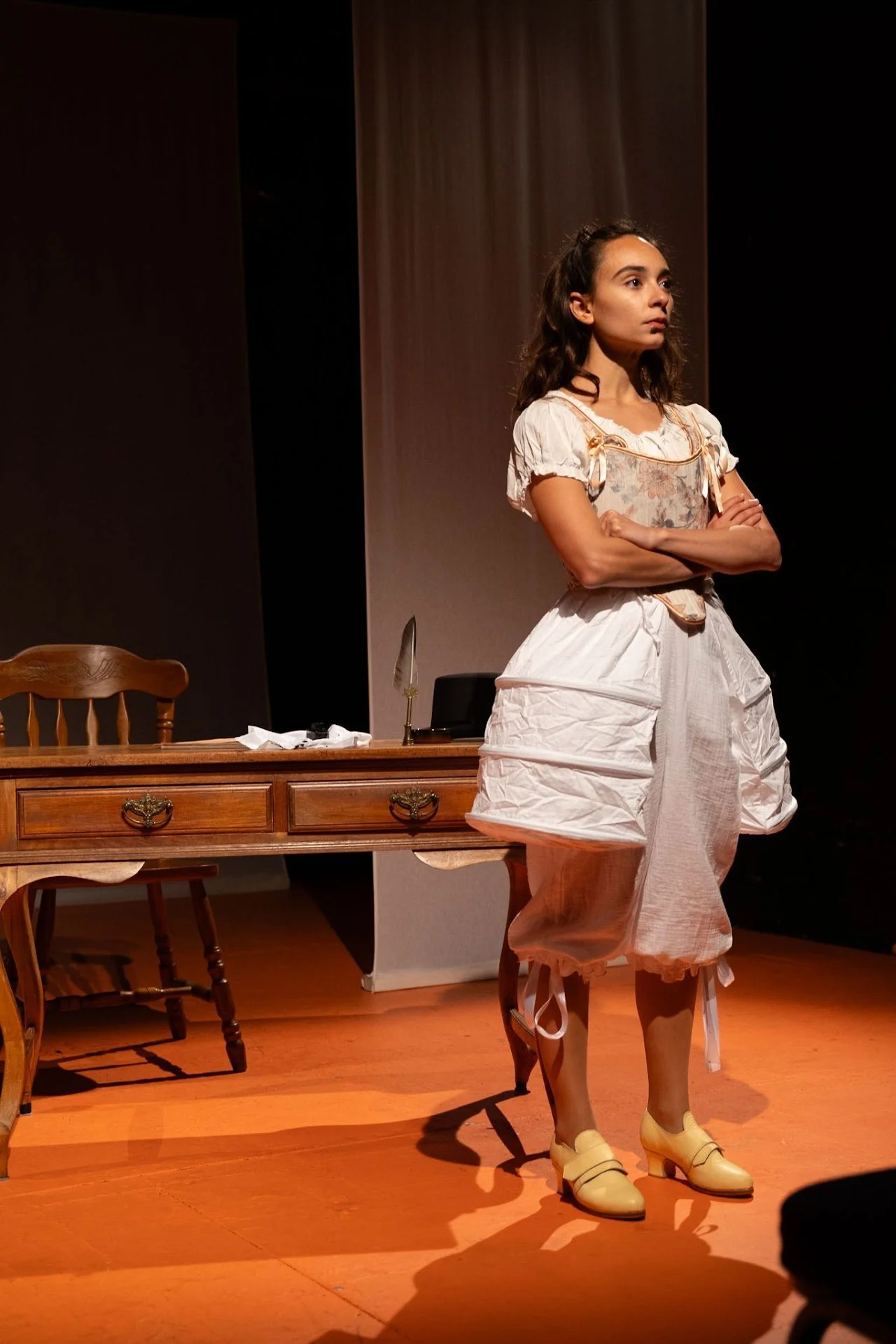
Creative Team
Directed by Rute Costa
Stage Managed by Mira Chakhtoura
Set Design by Delyth Evans
Costume Design by Delyth Evans
Sound Design by Jamie Lu
Lighting Design by Marie Colahan
Produced by Anna Oggero
Assistant Produced by Arianna Rabin
Script Edited by Felix Mosse
With Léa des Garets, Iniki Mariano, and Conor Dumbrell